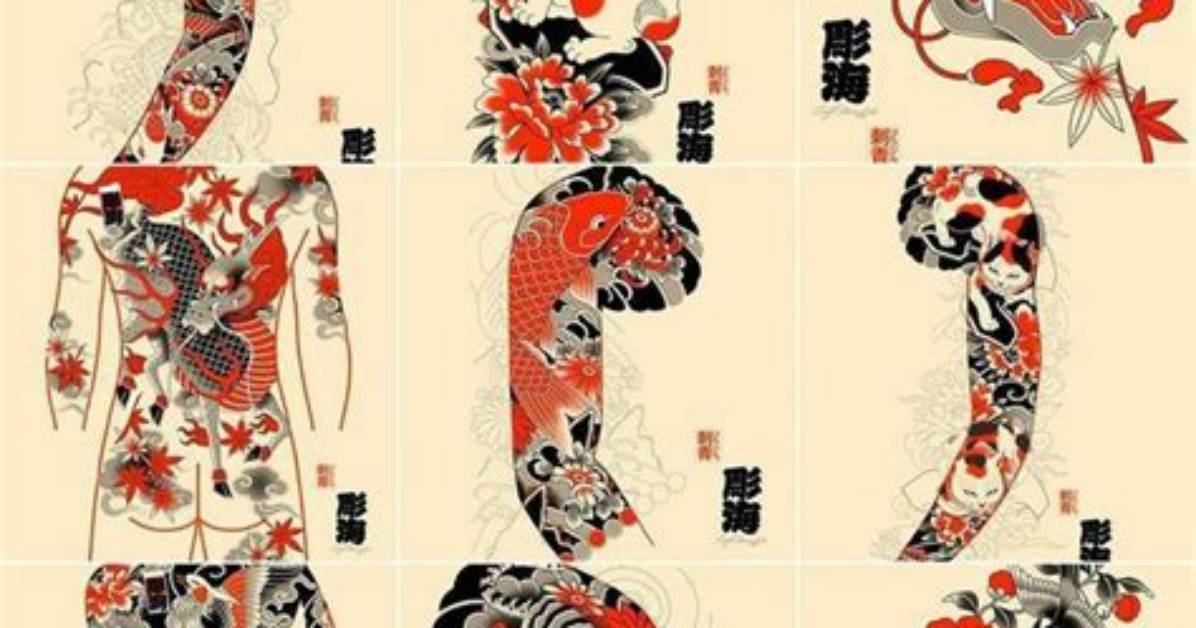
In the Edo period that lasted from 1600 until 1868, tattoos were a form of punishment for criminals. Since the criminals were inked, they would find it difficult to re-integrate into society once they were released from prison.
The Yakuza people were and still are an organized crime syndicate, so they wanted to reclaim their tattoos as a mark of pride. They are families that have sub-groups, federations, and affiliates under them.
The members have strict codes and rituals that they follow to the letter. They usually deal with underworld activities like gambling, racketeering, drug peddling, and running prostitution rings.
Do all Yakuza have tattoos? In the past, it was mandatory for the clan members to get inked.
Although full body tattoos were common, they believed that the inkings were private, so they committed to full body suits that could not be seen above any collars or cuffs.
Is the Yakuza still active? Yes, the gangsters are still there, albeit in fewer numbers than was the case decades ago.
In recent years, the Japanese government and police have been cracking down heavily on them to deter them from carrying out criminal activities.
The sentences that are handed out by judges once they are caught are harsh. Additionally, the legal loopholes that were once abused have since been corrected to discourage their activities.
Are tattoos in Japan illegal? Yes, they are banned, but people still have them. They usually keep them private.
In fact, even tourists will get banned from certain places if they expose their inkings in public. They should always be covered.

