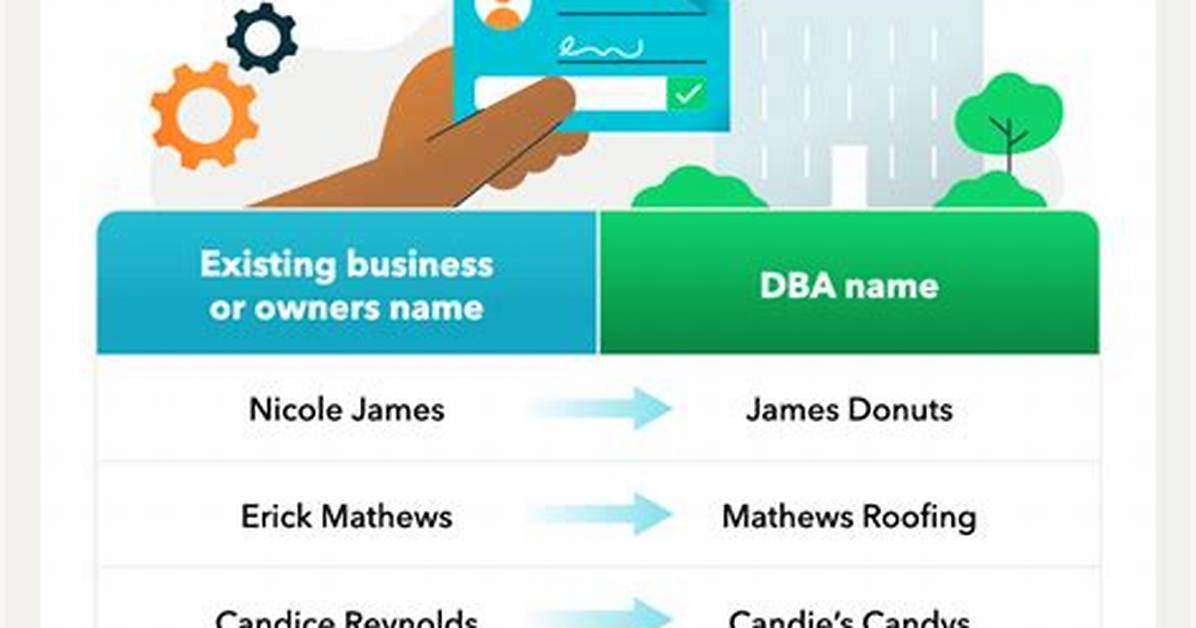
Operating under a DBA can have significant tax implications and entails certain legal responsibilities. The specific tax obligations and requirements may vary depending on the business structure. It is crucial for DBA owners to understand and fulfill these responsibilities to avoid penalties and legal issues.
Tax Implications
The tax implications of operating under a DBA depend on the business structure. Here is a general overview:
- Sole Proprietorships: DBA income and expenses are reported on the owner’s personal tax return, using Schedule C. Self-employment taxes are also applicable.
- Partnerships: Partners report their share of DBA income and expenses on their personal tax returns, using Form 1065. The partnership itself is not taxed.
- LLCs: Depending on the filing status, an LLC may be taxed as a sole proprietorship, partnership, or corporation. DBA income and expenses are reported accordingly.
- Corporations: DBA income and expenses are reported on the corporate tax return, using Form 1120. Corporate tax rates apply.
Note: It is advisable to consult with a tax professional or accountant for accurate guidance tailored to your specific situation.
Legal Responsibilities
When operating under a DBA, business owners have certain legal responsibilities. Here are the key areas to consider:
- Compliance with State and Local Regulations: DBA owners must comply with the requirements set by the state and local authorities where they operate. This may include registering the DBA, renewing it periodically, and maintaining accurate records.
- Fulfilling Tax Obligations: DBA owners must accurately report and pay taxes associated with their business activities. This includes federal, state, and local taxes, such as income tax, sales tax, and employment taxes.
- Maintaining Financial Records: DBA owners should keep detailed and organized financial records. This includes properly documenting income, expenses, invoices, receipts, and other financial transactions.
“Operating under a DBA involves tax considerations and legal obligations. It is essential to stay informed and fulfill these responsibilities to ensure the smooth operation of your business.”
DBA Tax Benefits and Drawbacks
While DBAs offer flexibility and branding opportunities, they also come with tax considerations. Here is a summary of the benefits and drawbacks:
| Benefits | Drawbacks |
|---|---|
|
|
The benefits of operating under a DBA can outweigh the drawbacks, especially when businesses carefully manage their tax obligations and legal responsibilities.

