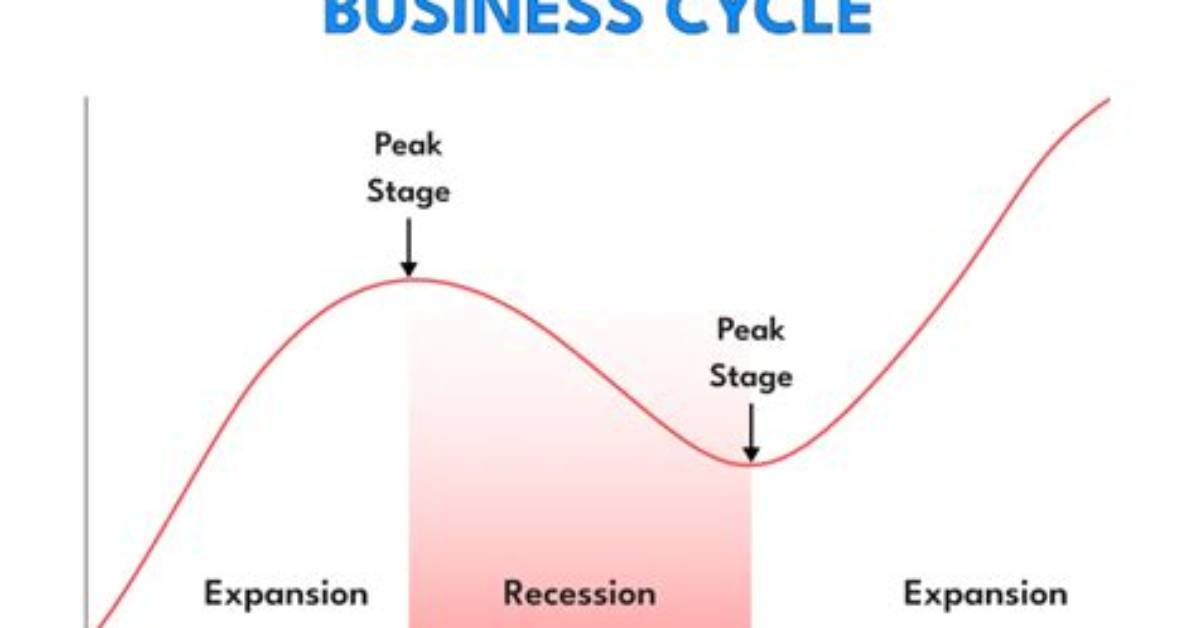
Historical business cycles have shown variations in their duration and intensity. Prior to World War II, many market-oriented economies experienced deep recessions followed by strong recoveries. However, post-WWII recoveries led to long periods of robust trend growth, making it challenging for economic growth to fall below zero.
Different countries around the world have experienced varying durations of economic expansions. Countries such as Germany, Italy, France, the U.K., Japan, and Canada each have their unique cyclical experiences shaped by factors like government policies, industry composition, and international trade dynamics.
The growth rate cycles provide additional insight into the relationship between equity markets and economic cycles. By analyzing the upswings and downswings in the growth rate of an economy, economists gain a deeper understanding of the underlying factors driving economic expansion and contraction.
| Country | Duration of Economic Expansion |
|---|---|
| Germany | 7 years |
| Italy | 9 years |
| France | 8 years |
| United Kingdom | 10 years |
| Japan | 11 years |
| Canada | 6 years |
The table above illustrates the varying durations of economic expansions in different countries. These differences reflect the unique economic conditions and policy choices of each nation, resulting in divergent patterns of growth and contraction.

