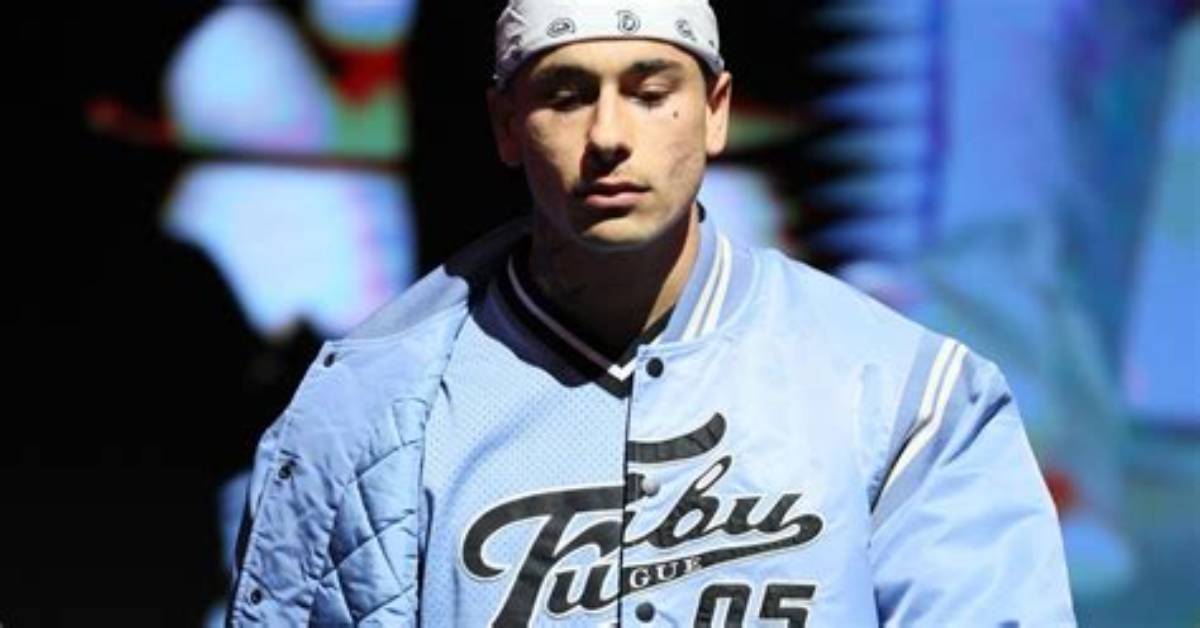
Eventually, stores around Queens began selling FUBU, and the brand started causing a buzz in the entertainment industry. In the early '90s, LL Cool J became one of FUBU’s most loyal celebrity customers when he wore a FUBU hat in a Gap commercial. Soon, nearly every rapper from Jay-Z to Ludacris to many in between wore the line in their music videos or at a red-carpet event.
Article continues below advertisement
By 1995, FUBU became known for its lucrative deals with tech companies like Samsung. Additionally, the streetwear company entered the sports arena when it launched FUBU NBA in the '90s. Daymond said the collaboration was a natural fit, as “a lot of big-time stars were already wearing hip-hop and streetwear fashion on the sidelines” (per his website).
Article continues below advertisement
FUBU continued soaring well into the early 2000s and even ventured into music with a compilation album, “The Good Life,” on Sept. 25, 2001, per The Hundreds blog. However, when the album — featuring artists like LL Cool J, Nate Dogg, and Keith Murray — didn’t hit the way the company thought it would, it cost them millions in debt.
In the early 2000s, FUBU seemingly went away, as Daymond admitted in his memoir, The Brand Within, that the company found itself in the “marked-down bins” and never entirely made it out.
Article continues below advertisement
“It may have seemed like FUBU disappeared in the early 2000s, but we changed our focus from the U.S. market to international markets, such as Europe and Asia,” Daymond explained on his website. “FUBU had too much inventory in the U.S. market, negatively impacting our bottom line. Too much inventory caused FUBU to get put in clearance bins and discount retailers.”
Article continues below advertisement

