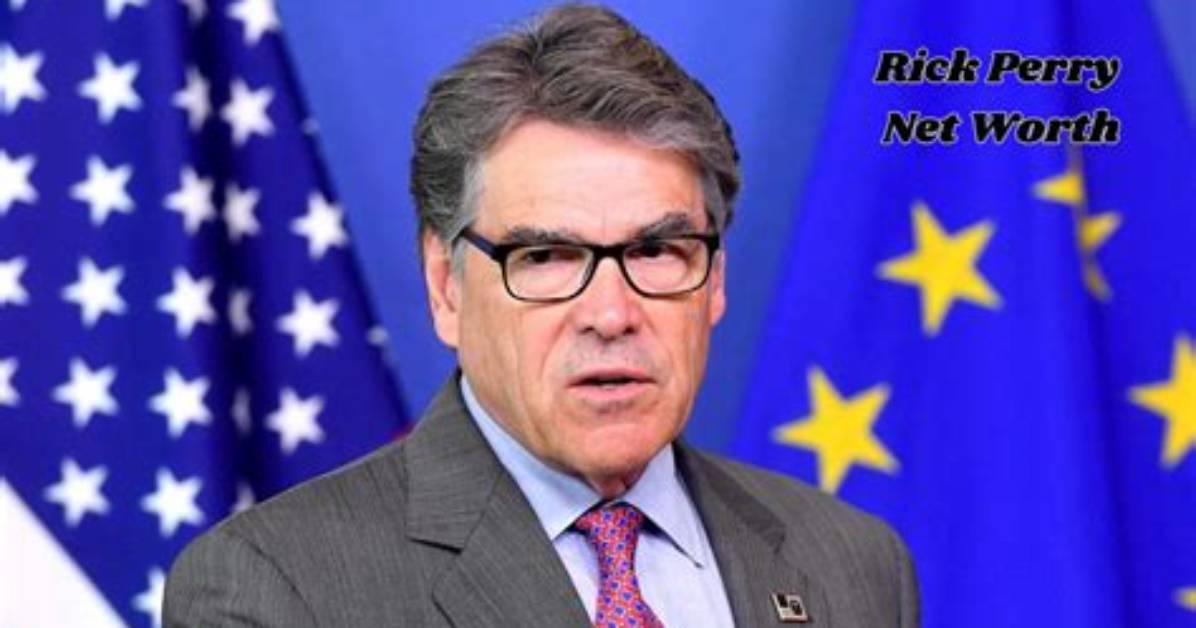
Rick Perry’s run for the Republican nomination for President was met with high expectations and initial positive attention. However, his campaign soon faced challenges that hindered his progress, with poor debate performances being one of the major setbacks.
Perry’s debate performances lacked the consistency and clarity needed to gain traction and establish himself as a frontrunner in the race. Despite his experience as the Governor of Texas and his conservative policies, his performance during the debates failed to resonate with voters.
One of Perry’s most notable debate moments came during a Republican primary debate in 2011. When asked about the three federal agencies he planned to eliminate, he stumbled and could only name two, famously saying, “Oops.” This moment, along with other lackluster debate performances, significantly impacted his campaign’s momentum.
“Oops.”
Rick Perry
Perry’s inability to effectively communicate his policy positions and connect with voters on a national stage ultimately led to his campaign’s downfall. Despite his best efforts and subsequent course corrections, he was unable to recover from the initial damage caused by his subpar debate performances.
It is worth noting that debate performances are just one aspect of a presidential campaign, and many other factors come into play when it comes to gaining support. However, Perry’s struggle to perform well in debates was a significant factor that hindered his quest for the Republican nomination.
Campaign Performance Comparison
To provide a comprehensive overview of Perry’s performance in the presidential campaign, let’s compare his average polling numbers before and after the initial debate missteps:
| Time Period | Polling Average Before | Polling Average After |
|---|---|---|
| Pre-debates | 12% | 10% |
| Post-debates | 9% | 6% |
As seen in the table above, Perry’s average polling numbers dropped after his poor debate performances, indicating a loss of support among voters. This demonstrates the significant impact that debate performance can have on a candidate’s standing in the race.
Lessons Learned and Moving Forward
Rick Perry’s experience during his presidential campaign serves as a lesson for future candidates, highlighting the importance of effective communication, preparation, and adaptability. Debates are a critical platform for candidates to showcase their policies, qualifications, and ability to connect with voters. It is essential to have a solid debate strategy, rehearse talking points, and remain agile in responding to unexpected challenges.
While Perry’s campaign may not have achieved the desired outcome, the lessons learned from his debate performances can contribute to the continuous improvement of presidential candidates in the future.

