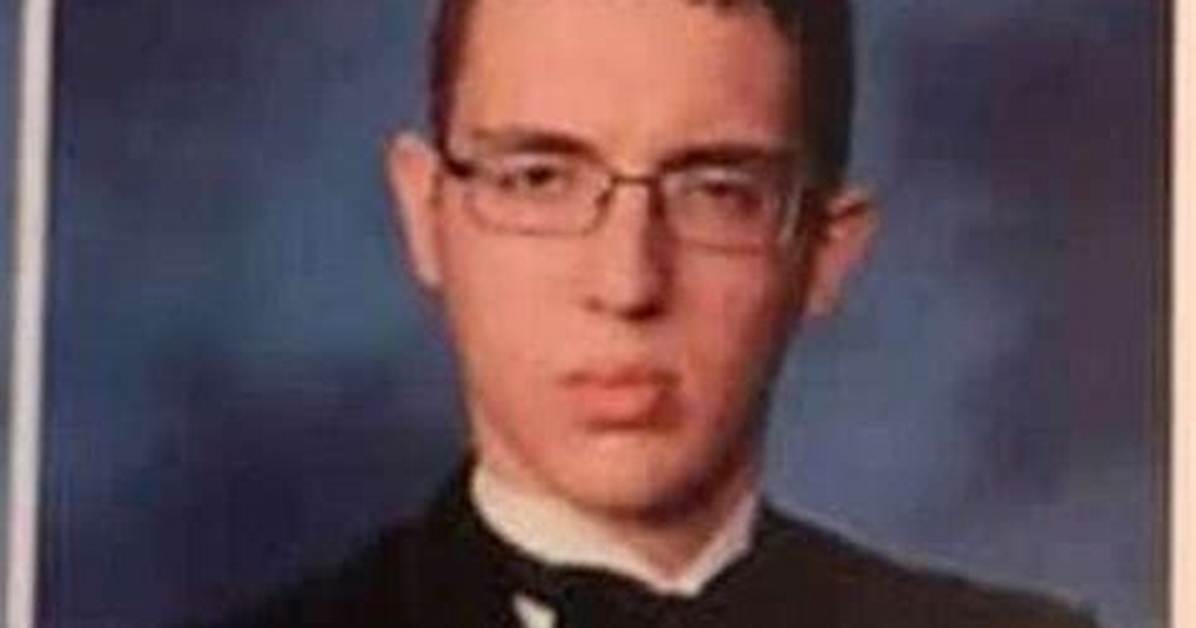
The El Paso shooting in 2019 had a profound impact on the local community and sparked nationwide debates on gun control and hate crimes. As the deadliest anti-Latino attack in recent US history, it resulted in the tragic loss of 23 lives and caused numerous injuries that scarred the survivors physically and emotionally.
The incident was not only a stark reminder of the devastating consequences of hate and violence but also raised critical questions about the role of political leaders in addressing mass shootings. Many politicians, including presidential candidates, criticized the anti-immigrant rhetoric of then-President Donald Trump, suggesting that it contributed to the climate of division and animosity that fueled the attack.
“We need to confront the hatred and xenophobia that lead to violence and work toward a society where every individual feels safe and valued.” – Senator Kamala Harris
The El Paso shooting prompted a renewed call for stricter gun control measures, with advocates arguing that the ease of access to firearms played a significant role in enabling such devastating acts of violence. It reignited conversations about balancing Second Amendment rights with the need for comprehensive background checks and restrictions on high-capacity magazines and military-style assault weapons.
The Controversy Surrounding the El Paso Shooting
The El Paso shooting brought forth various controversies that further divided public opinion. While many agreed on the need for stricter gun control, discussions also revolved around mental health, online radicalization, and the responsibility of social media platforms in preventing the spread of hate speech and extremist ideologies.
- Some argued that focusing solely on gun control neglected addressing the underlying causes of hate and extremism, advocating for a multi-faceted approach that included combating discrimination, promoting inclusivity, and investing in mental health resources.
- Others criticized the politicization of the tragedy, asserting that the blame should lie solely with the shooter and not be used to advance political agendas.
- There were also debates about the appropriate punishment for the perpetrator, with some calling for the death penalty while others argued for a focus on rehabilitation and addressing the root causes of his radicalization.
Amidst these controversies, it became clear that the El Paso shooting was not just a local tragedy but a national wake-up call, prompting a reevaluation of societal values, policies, and responses to prevent such atrocities from happening in the future.

