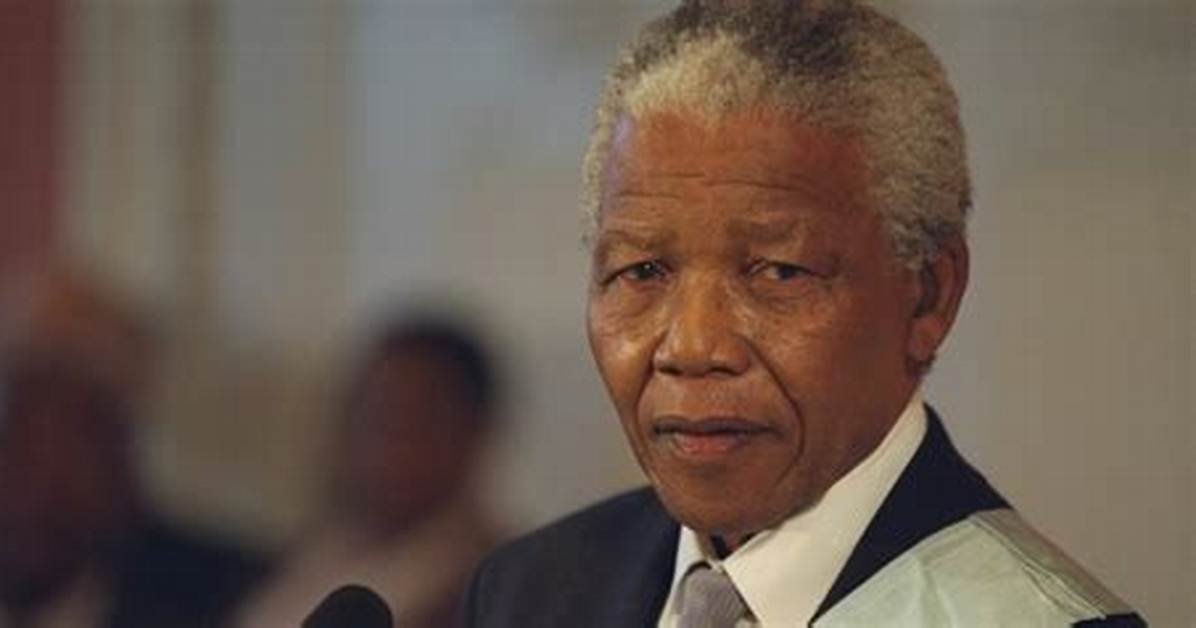
In 1955, Nelson Mandela played a significant role in drafting the Freedom Charter. This document, which advocated for a non-racialist government in South Africa, became a cornerstone in the fight against apartheid. Mandela’s commitment to racial equality and justice ultimately led him to face the challenging and pivotal treason trial in 1958.
During the trial, Mandela faced accusations of plotting against the state but was acquitted, proving his resilience and steadfast determination in the face of adversity.
Undeterred by the trial’s outcome, Mandela and other nationalist groups engaged in sabotage of critical infrastructure elements as a form of peaceful resistance against apartheid. Their actions aimed to disrupt the oppressive regime and draw global attention to the injustices taking place in South Africa.
However, Mandela’s efforts for equality and justice did not go unnoticed. In 1964, he was arrested and sentenced to prison for sabotage, marking the beginning of his long and arduous journey behind bars.
For 18 years, Mandela endured the harsh conditions of Robben Island, a maximum-security prison notorious for its inhumane treatment. Later, he was transferred to Pollsmoor Prison, where he remained confined but undeterred in his pursuit of achieving an end to apartheid.
Despite the physical and emotional challenges faced during his time in prison, Mandela continued to be a beacon of hope and advocate for justice. He used his time incarcerated to deepen his understanding of the struggle and further refine his vision for a future South Africa.
Key Events in Nelson Mandela’s Resistance and Treason Trial
| Year | Event |
|---|---|
| 1955 | Drafting of the Freedom Charter |
| 1958 | Treason trial and acquittal |
| 1964 | Arrest and sentencing to prison |
| 1964-1982 | Imprisonment on Robben Island |
| 1982 | Transfer to Pollsmoor Prison |

