Image source: youtube.com
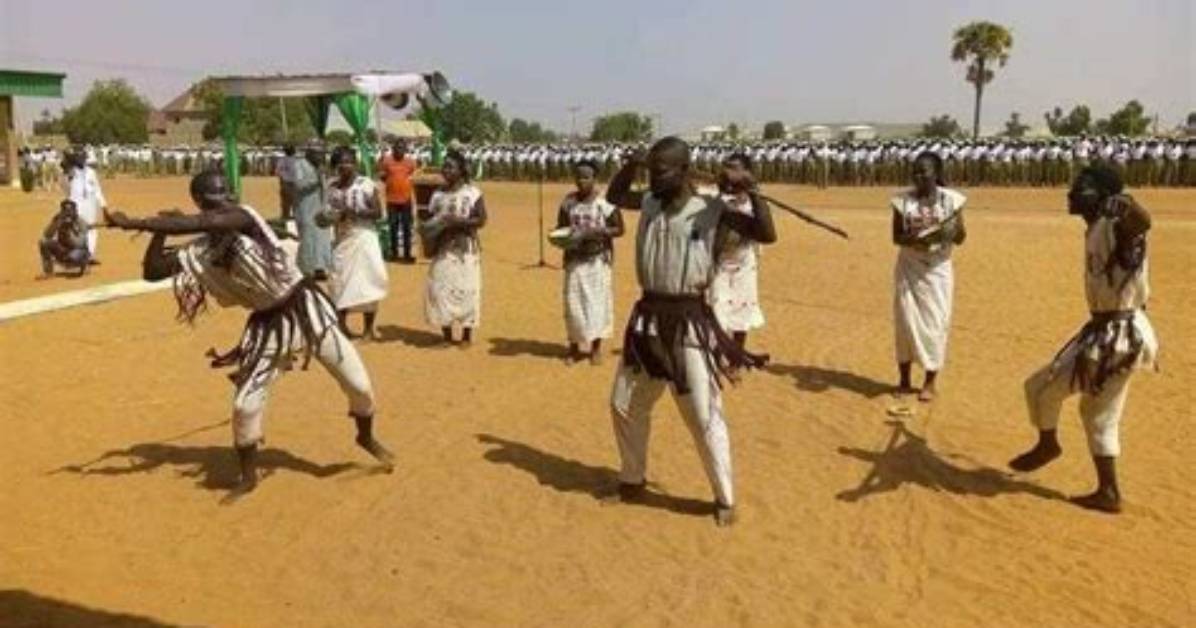
Koros dance is not the most complicated one among the existing traditional dances in Nigeria. Still, it requires a lot of attention and skills because sometimes the movements and figures created by the dancers’ bodies look incredible.
Quite often, this dance is done in pairs, while both performers help each other and overcome the competitors within the same dance. The performers wear special leg items, which create a specific noise and additional sound to the music.
However, within the recent decades, the dance has undergone certain changes. In 1987, a group of young people performed a dance dedicated to the harvest season and their moves were added to the existing Koroso dance.
READ ALSO: Traditional dances in Nigeria and their meaning
Everything began with only three dance steps:
- Dangwarirya
- Gaisuwa
- Gwamna Mai Baza
The additional ones that came later were much more numerous and the dance became far more diverse:
- Mai Fula Fulai (of the Hausa origin)
- Nyore Nyore (of the Fulani origin)
- Banjo (of the Fulani origin)
- Rawar Noma (of the Hausa origin)
- Taro Na Bata (of the Hausa origin)
- Rawar Bindiga (of the Hausa origin)
- Gwauro Ina Matarka (of the Hausa origin)
Some time later, the dance was modernized even further, especially after some smaller dancing groups included modern moves borrowed from the performance of Michael Jackson, MC Hammer, and others.

