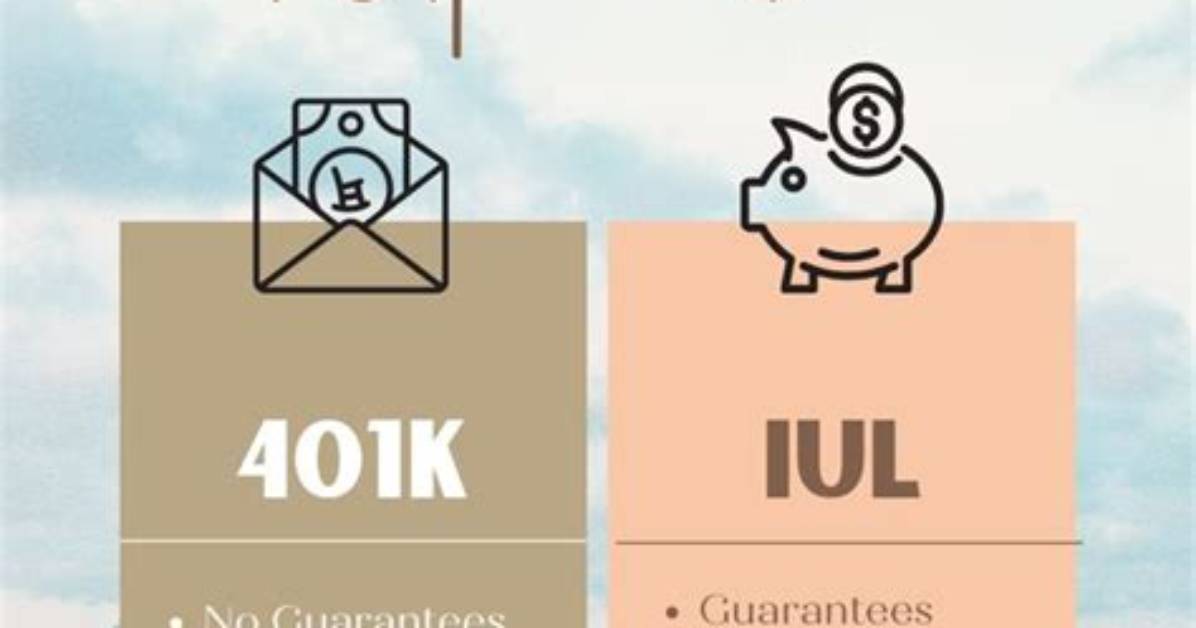
Indexed universal life insurance, or IUL, is a type of permanent life insurance that offers both a death benefit and a cash value account that can grow over time. The premium payments you make towards your IUL policy are divided into two components: the cost of insurance and the investment component. The investment component is tied to the performance of an underlying stock index, such as the S&P 500. This means that as the index increases, so does the cash value of your policy.
One of the key benefits of an IUL policy is the ability to borrow against the cash value tax-free. This can be useful for accessing funds in times of need, such as for unexpected expenses or emergencies. Additionally, the death benefit of an IUL policy provides a financial safety net for your loved ones in the event of your passing.
It’s worth noting that while IUL policies have the potential for cash value growth, the premiums can be higher compared to other types of life insurance. The policy can also be more complex to understand due to the various moving parts, such as the index crediting method and annual reset feature. To make an informed decision about whether an IUL policy is right for you, it’s important to carefully evaluate your financial goals, risk tolerance, and long-term needs.
| Pros of IUL | Cons of IUL |
|---|---|
| • Potential for tax-free growth of cash value • Ability to borrow against cash value tax-free • Death benefit protection for loved ones |
• Higher premiums compared to other life insurance options • Policy complexity • Cash value growth may be limited by participation rates or caps • May not be suitable for short-term financial goals |
Overall, indexed universal life insurance can be a valuable tool for individuals looking to protect their loved ones and potentially accumulate cash value for the future. However, it’s crucial to carefully analyze the specific terms and features of an IUL policy, and to consult with a financial advisor who can provide personalized guidance based on your unique financial situation.
Quote
“Indexed universal life insurance provides the opportunity for both protection and growth. By linking the cash value to the performance of an index, policyholders have the potential to participate in market gains while still having a guaranteed death benefit. It’s a versatile option for those who want flexibility and long-term financial security.”
When considering an indexed universal life insurance policy, it’s essential to weigh the potential advantages and disadvantages, as well as to explore alternative retirement savings options. In the next section, we will take a closer look at the 401(k) retirement plan and its distinctive features.
While indexed universal life insurance offers certain benefits, it is important to consider potential drawbacks, such as higher premiums and policy complexity. Let’s take a closer look at the pros and cons of IUL:
Pros:
- Potential for Cash Value Growth: Indexed universal life insurance allows for the growth of a cash value component tied to the performance of an underlying stock index. This offers the potential for higher returns compared to traditional whole life insurance policies.
- Tax-Free Borrowing: One of the key advantages of IUL is the ability to borrow against the cash value of the policy on a tax-free basis. This can provide valuable liquidity for unexpected expenses or investment opportunities.
- Death Benefit Protection: Like other types of life insurance, IUL provides a death benefit that can offer financial protection to your loved ones in the event of your passing.
Cons:
- Higher Premiums: Compared to term life insurance, IUL premiums can be higher due to the additional cash value component and potential for long-term investment growth.
- Policy Complexity: Understanding the intricacies of an indexed universal life insurance policy can be challenging, as it involves factors such as cap rates, participation rates, and index performance. It’s essential to work closely with a knowledgeable financial professional to ensure you fully understand the policy.
- Market Volatility: While the potential for higher returns exists with IUL, the cash value is tied to the performance of an underlying stock index. This means that if the index performs poorly, the cash value may not grow as expected.
| Pros | Cons |
|---|---|
| Potential for Cash Value Growth | Higher Premiums |
| Tax-Free Borrowing | Policy Complexity |
| Death Benefit Protection | Market Volatility |
Indexed universal life insurance can offer a unique combination of benefits, but it’s important to fully understand the potential drawbacks. The higher premiums and policy complexity may not be suitable for everyone, and market volatility can impact the growth of the cash value. Consider working with a financial advisor to determine if IUL is the right choice for your individual needs and goals.
Summary: Indexed universal life insurance (IUL) has its pros and cons. While it provides potential for cash value growth, tax-free borrowing, and death benefit protection, it also comes with higher premiums, policy complexity, and market volatility. It’s essential to carefully evaluate these factors and seek guidance from a financial professional to determine if IUL aligns with your long-term financial strategy.

