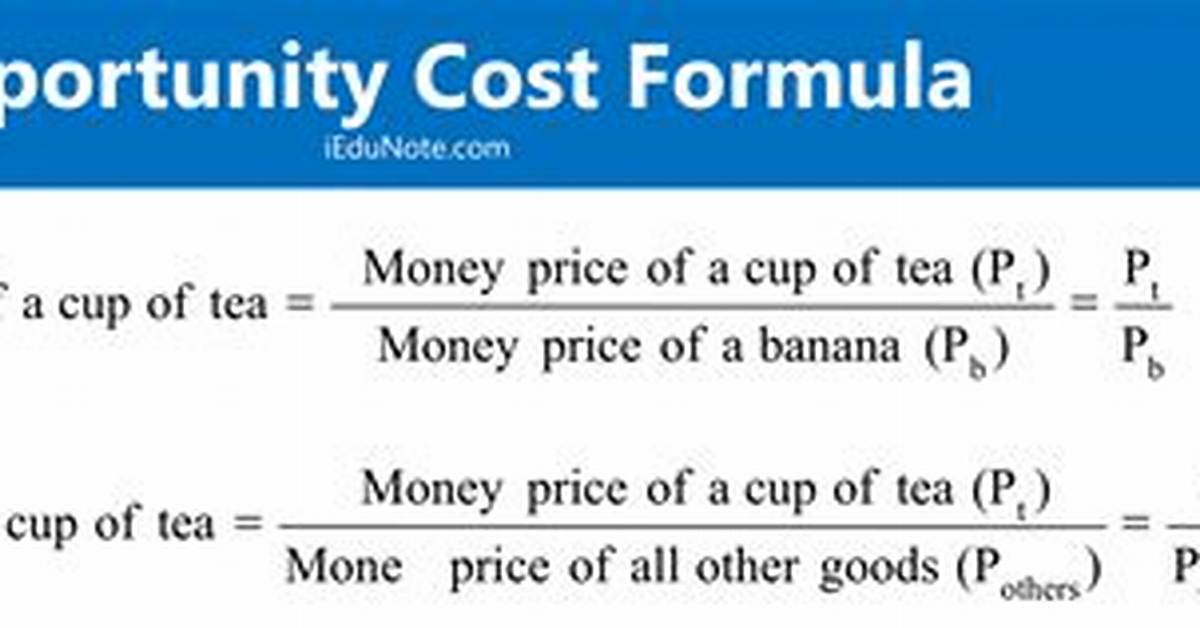
Now that we understand the concept of opportunity cost, it’s time to explore some practical examples to illustrate its importance in decision-making. By examining different scenarios, we can gain a deeper understanding of how opportunity cost impacts our choices. Here are some examples of opportunity cost analysis:
- Career Paths: Suppose you have been offered two different job opportunities. Job A pays $50,000 per year, while Job B pays $40,000 per year. Job A requires you to work longer hours and has fewer benefits, while Job B has a more flexible schedule and offers good benefits. If you choose Job A, your opportunity cost is $10,000 per year in lost wages plus the value of the benefits that Job B offers.
- Investment Opportunities: You have saved $10,000 and want to decide whether to invest in an index fund or buy a rental property. The index fund has an average annual return of 7%, while the rental property has an average annual return of 5%. If you choose the index fund, your opportunity cost is the potential profits you could have made from the rental property.
- Purchasing Options: Suppose you want to buy a new car. You have two options: a brand-new car for $30,000, or a used car in good condition for $20,000. If you buy the new car, your opportunity cost is the $10,000 price difference between the two cars.
These examples illustrate the importance of opportunity cost analysis in various situations. By considering the trade-offs involved in different choices, we can make informed decisions that align with our financial goals.

