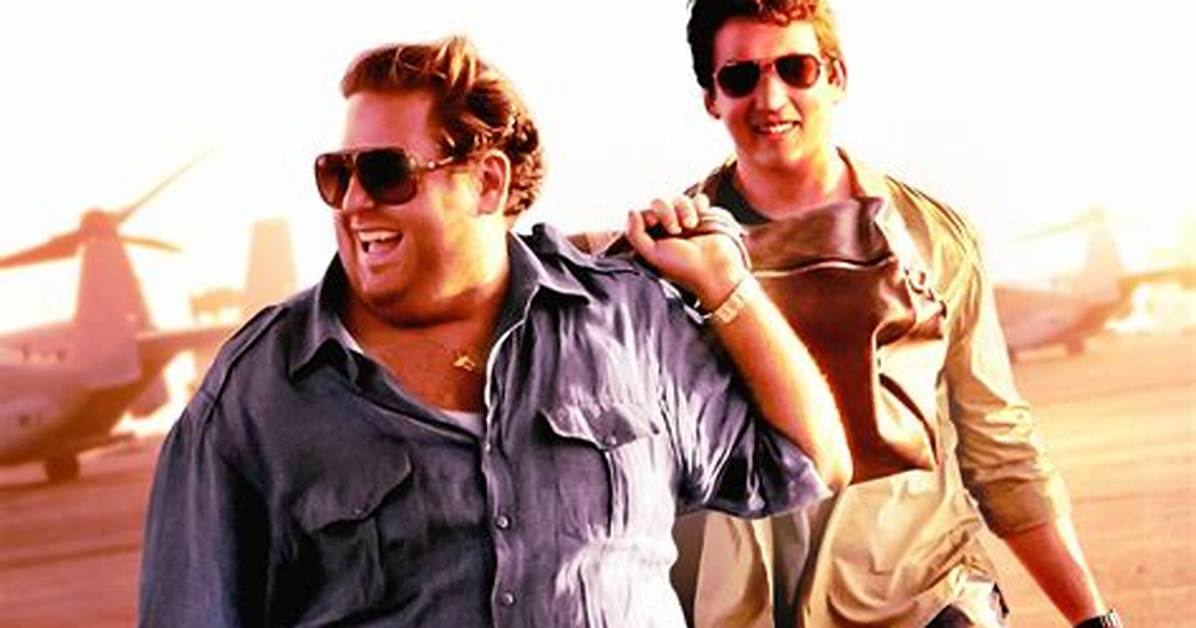
The story begins with two American friends, Efraim Diveroli and David Packouz. At the time, David was 25 and Efraim was 21. David was working as a masseuse when Efraim offered to cut him in on a major arms deal that beat out even Fortune 500 companies. With nothing but a barely-there internet connection, a steady supply of marijuana, and a handful of college credits between them, they seemingly did the impossible.
Efraim and David picked an ideal time to get into the arms business. To fight wars in both Afghanistan and Iraq, the Bush administration outsourced most facets of America's military operations. Private military contracts were soaring — why shouldn't two enterprising young people get in on the action? They were interested for one reason: to make lots and lots of money.
David himself says in the now-famous Rolling Stone article, "I didn’t plan on being an arms dealer forever — I was going to use the money to start a music career. I had never even owned a gun." Efraim, on the other hand, had family in the arms dealing business, with a father who sold Kevlar jackets to local police and an uncle who sold arms to law enforcement.
After being kicked out of school and sent to apprentice under his uncle, Efraim's interest in the arms industry accelerated. Coming to a disagreement with his uncle around 19, he moved out and took over a shell corporation from his father, known as AEY, Inc. It was Efraim who realized the most capital could be found from the U.S. military's Department of Defense, and David quickly partnered with him for the vast amount he was making.

