What is the history of Leeds United FC?
Leeds United FC was formed in 1919 following the disbanding of Leeds City. The team joined the Football League in 1920 and has since played at their home stadium, Elland Road. The club experienced its most successful period in the 1960s and 1970s under the management of Don Revie, winning multiple trophies and establishing themselves as one of the top teams in English football.
How has the Leeds United FC logo evolved over the years?
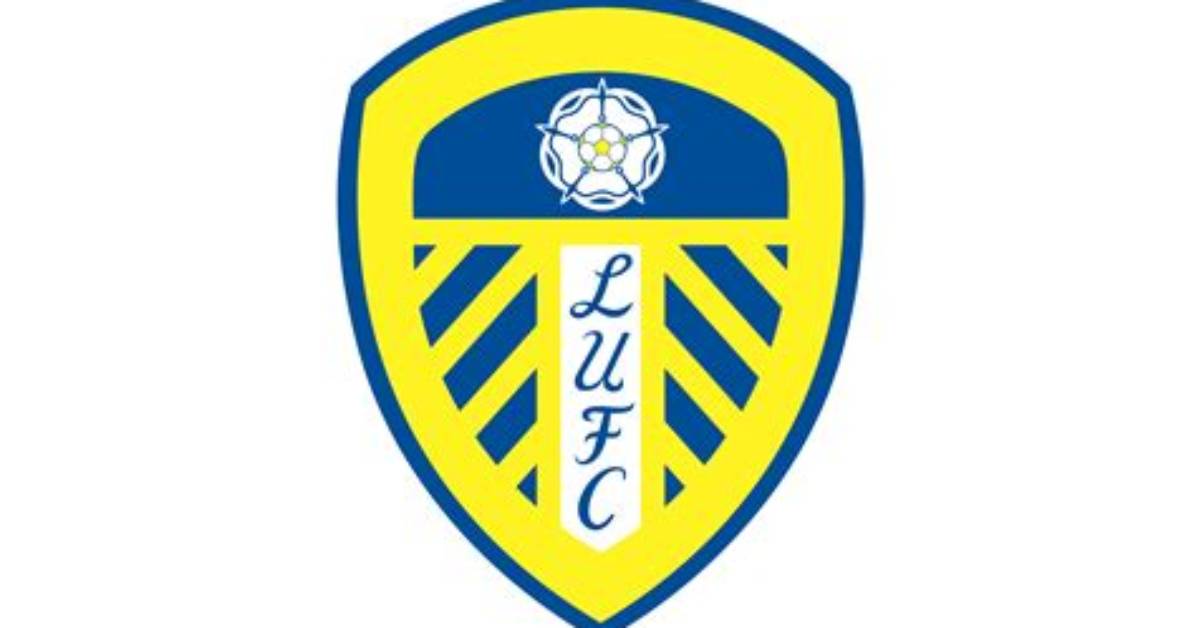
The Leeds United FC logo has undergone several changes. The first logo, used until the 1970s, featured an owl emblem as a tribute to the club’s original crest. This was later replaced by the iconic smiley emblem, which was used from the 1970s to the 1980s. In the 1980s, the club introduced the peacock emblem, symbolizing their nickname “The Peacocks.” The current logo features the Yorkshire rose, symbolizing the club’s connection to Yorkshire.
What symbolism is present in the Leeds United FC logo?
The Leeds United FC logo contains various symbols and elements that hold significance for the club and its fans. The use of the Yorkshire rose represents the club’s connection to Yorkshire, while the white color represents purity as well as the club’s nickname “The Whites.” The emblem used throughout the club’s history reflects different aspects of their identity and values.
How do fans interpret the Leeds United FC logo?
Fans have different interpretations and theories about the symbolism in the Leeds United FC logo. Some believe that the symbols and elements hold hidden meanings that represent the club’s history and values, while others see it as a representation of the club’s success and identity. Each fan may have their own unique interpretation of the logo.
What influence did Don Revie have on the Leeds United FC logo?
Don Revie, the legendary manager of Leeds United FC, had a significant impact on the club’s logo during his tenure. Under Revie’s management, the club changed its colors to all white, which is reflected in the logo. The iconic smiley emblem was also introduced during Revie’s time as manager, showcasing his influence on the club’s identity and branding.
What is the significance of crests in football logos?
Crests play a significant role in the design of football logos. They often contain symbols and elements that represent the club’s history, values, and identity. Crests are an important part of the visual branding of football clubs and are recognized by fans around the world. They create a sense of belonging and pride among supporters, acting as a visual representation of the club’s heritage.
Are there hidden messages in football logos?
Yes, football logos often contain hidden messages and symbolism that can be deciphered by fans and analysts. These hidden messages can represent various aspects of a club’s history, values, or local identity. Analyzing and decoding football logos has become a popular activity among fans and enthusiasts, as it allows for a deeper understanding and appreciation of the clubs and their symbols.
Why is logo analysis important for football clubs?
Logo analysis is crucial for the branding and identity of football clubs. A well-designed logo can create a strong visual identity for a club and evoke emotions and pride among fans. Logo analysis helps clubs understand the impact of their logos on their brand identity and fan engagement. It allows for the exploration of hidden meanings and symbolism in the logos, enhancing the overall fan experience.

