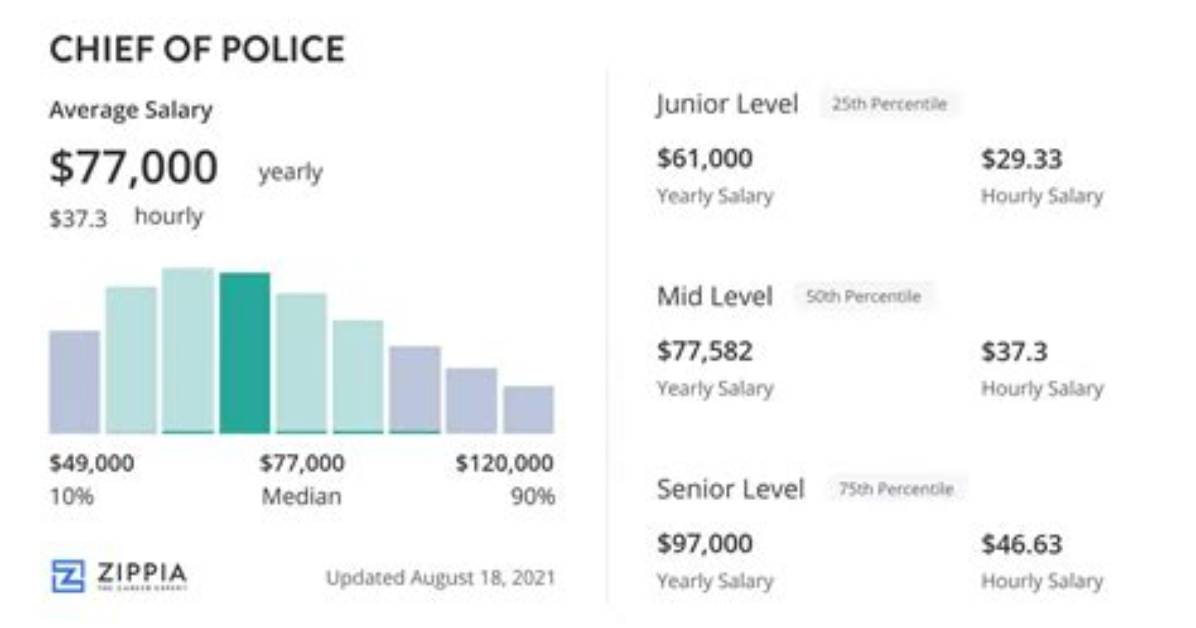
The compensation of a Chief of Police is influenced by various factors, including the size and location of the department, years of experience, education level, and additional responsibilities or certifications. These factors play a significant role in determining the salary and overall compensation package for a Chief of Police.
First and foremost, the size of the department can impact the salary of a Chief of Police. Larger departments often have greater budgets and resources, which can result in higher salaries for their top leadership positions. On the other hand, smaller departments may have limited resources and budgets, leading to lower salaries for their Chiefs of Police.
Additionally, the location of the department plays a crucial role in salary determination. Chief of Police salaries can vary significantly from one city to another. Metropolitan areas with higher living costs and higher crime rates may offer higher salaries to attract experienced and qualified candidates. Conversely, smaller towns may have lower salary ranges due to their limited budgets and resources.
Years of experience and education level are also vital factors in determining a Chief of Police’s salary. Typically, as an individual gains more experience in the law enforcement field and rises through the ranks, their salary increases accordingly. Additionally, higher levels of education, such as a bachelor’s or master’s degree in Criminal Justice or a related field, can contribute to higher salaries.
Furthermore, additional responsibilities and certifications can impact a Chief of Police’s compensation. Chiefs who take on additional roles or responsibilities within their department, such as overseeing special units, community outreach programs, or budget management, may receive higher salaries due to their increased workload and level of expertise. Additionally, certifications in specialized areas like forensic science, crisis management, or emergency response can also lead to higher salaries and recognition within the field.
Lastly, the benefits offered by a department can significantly contribute to a Chief of Police’s overall compensation. Many departments provide benefits like retirement plans, healthcare coverage, and paid time off, which can enhance the total value of the compensation package.
To summarize, the salary and compensation of a Chief of Police depend on various factors, including the size and location of the department, years of experience, education level, and additional responsibilities or certifications. Additionally, the benefits provided by the department can significantly impact the overall compensation package. Police chiefs who excel in their roles, obtain advanced education, and pursue additional certifications can enhance their earning potential and overall career prospects.

